Texas · TX Daily News
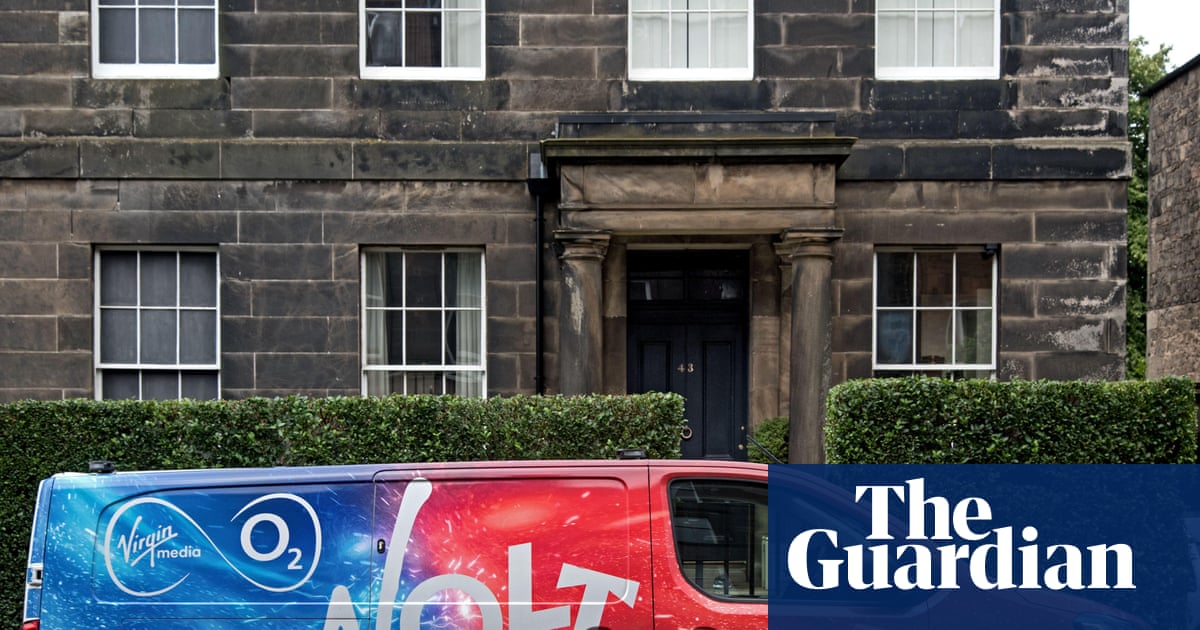
M ike Fries may be totting up swingeing job cuts, a £22bn debt pile and the loss of hundreds of thousands of customers, but he appears to be putting a brave face on the situation. “In our minds, anyway, this is not a crisis,” the boss of the co-owner of Virgin Media O2 said this week. The UK telecoms company, which offers broadband, TV, landline and mobile services, had just announced £800m in cost savings, including potentially cutting up to a quarter of staff.
Fries, the chief executive of Liberty Global , faced searching questions on its future and a potential refinancing of its huge debt pile next year. “We made it clear, we have nothing to add to where we sit today,” he said. However, for the company’s 16,000 UK staff, the job cuts, and a raft of other measures including abandoning investing in upgrading its cable network to full fibre, are symptomatic of a business if not in crisis, then under extreme pressure.
And it has left industry watchers wondering: what has gone wrong at Virgin Media O2 ? Five years ago, Virgin Media-owner Liberty Global and Telefónica, owner of mobile network O2, completed a £31bn mega-merger that paved the way for a new “national champion” to challenge BT. It represented the latest upheaval for a company defined by a deal to bring together cable firms NTL and Telewest with Sir Richard Branson’s Virgin Mobile for a 2007 rebrand .
The post-merger mission, however, has proved tougher than bullish management, led by Fries’s lieutenant, Lutz Schüler, perhaps expected. In the last two years the company has lost 182,000 broadband and 644,000 mobile customers, although overall numbers still remain up since the merger, according to Enders Analysis. Chart of Virgin Media mobile customers VMO2 is operating in a market that has seen an explosion of competition including the emergence of about 100 so-called alt-nets laying fibre networks, and BT’s belated decision to “build like fury” to replace its ageing copper lines.
This fight for customers has kept prices low and put profitability and revenues under pressure. “There are challenges everywhere in telecoms, but at VMO2 a lot of the problems boil down to operational execution,” says one senior industry executive. “ They once used Usain Bolt in ads to trumpet that they had the fastest speed broadband, now the cables they have in the ground are slower than competitors.
“Marketing, pricing, customer service, IT, billing, set top boxes, you name it and they have just not been good at executing on strategy. Yes, it is a highly competitive industry but there has been a major executional problem.” In July, Virgin Media was fined a record £28m by telecoms regulator Ofcom after an investigation found millions of calls made by customers between January 2022 and September 2024 were probably mishandled. The investigation showed that Virgin Media, which has repeatedly been among Ofcom’s most complained about companies in its quarterly reports, used deliberate tactics to repeatedly prevent customers from cancelling their contracts and moving to a new supplier.
Last year, its O2 mobile arm prompted a backlash after implementing a surprise monthly bill increase, 40% higher than customers had been informed when they signed up to their contracts. Schüler later admitted that the move, which he estimated resulted in the loss of about 110,000 customers and a rebuke from the then-chancellor, Rachel Reeves, “wasn’t the best decision” . A chart of Virgin Media broadband customers A pledge to focus on improving customer service , and developments including a new voice AI agent to handle broadband fault calls, has paid off.
In its results earlier this week, the company pointed to Ofcom’s latest data showing significant reductions in complaints across its business, and the lowest of any leading broadband provider. Some industry sources argue the management style since the creation of VMO2 has had echoes of hard-nosed private equity tactics – £5bn has been paid to shareholders in dividends since the merger, according to filings. Those funds could have been ploughed into fixing problems, they say.
On the call with analysts this week, Fries pointed to the importance and focus of the UK operation’s management team who were “making extraordinary efforts to bring meaningful operating free cashflow to the business”. VMO2, which has invested £11bn in the UK since the merger, is expected to make £200m in free cashflow this year, and has significantly boosted profit margins from about 34% to just over 40% since the merger. Some analysts believe the timing of the cost-savings announcements, which also includes a potential deal with BT to use Openreach to extend its footprint from 19m to up to 25m homes, at least in part relates to VMO2’s outrage at recent decisions relating to deals in the sector.
Earlier this month, VMO2, which declined to comment for this article, lashed out at a decision to fast-track BT’s £400m rescue of TalkTalk . At the same time, the competition regulator had signalled that it might block the £2bn takeover of the UK’s second-largest altnet, Netomnia, by Nexfibre, whose investors include Liberty Global and Telefonica, which would thwart plans to challenge Openreach. “A number of audiences may be in mind in constructing [VMO2’s] statement,” said Karen Egan, managing director of telecoms at Enders Analysis.
“The Liberty Global shareholders, the VMO2 bondholders, and those with potential influence over the Competition and Markets Authority’s decision on the Netomnia acquisition.” While multiple sources talk of tension between VMO2’s co-owners they argue that many of the issues facing the company date back to when cable licences were first awarded in 1984. “You could ask if anything has gone right since 1984,” said one TV industry executive. “The original sin was licensing 135 separate franchises with the ultimate endgame finally coming down to one in Virgin Media in 2007.
“However, the end result was such a hotchpotch of systems and technologies it was easy to compete against, and they have never really fixed it, a problem the company is still dealing with today. “With the level of competition, telecoms services have become a commodity, hard to make money out of given the investment needed, and for VMO2 and the wider industry I don’t really see what turns that around.”
Source: The Guardian